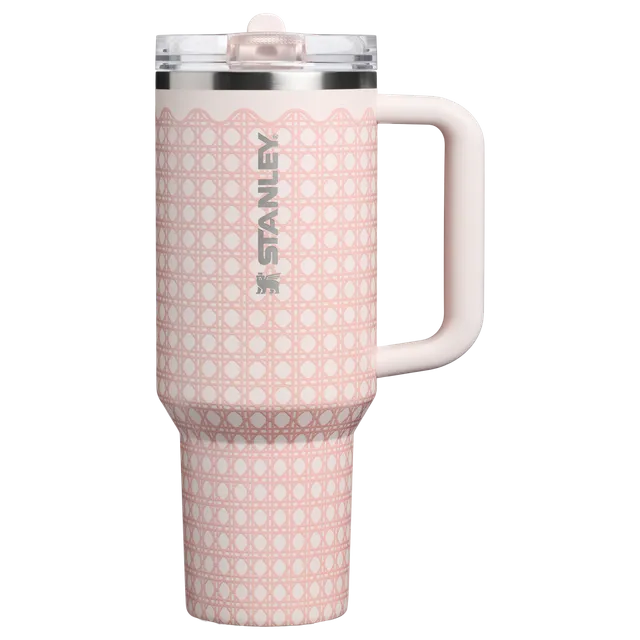
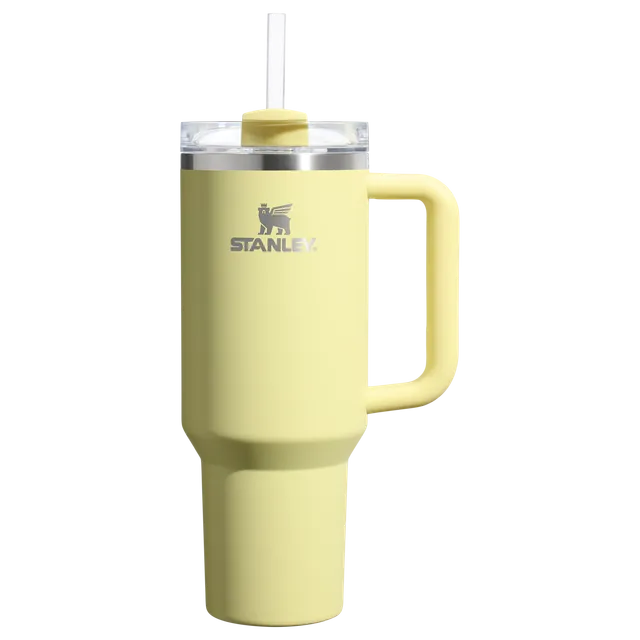
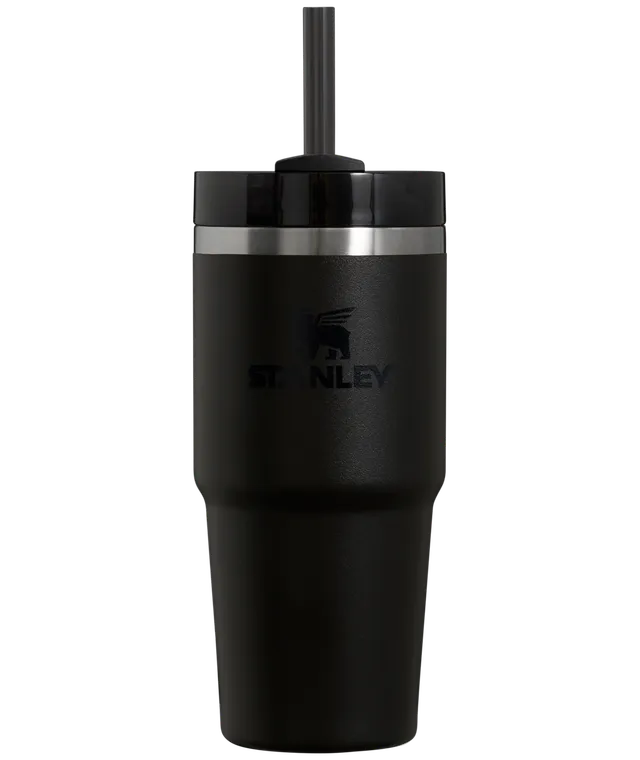
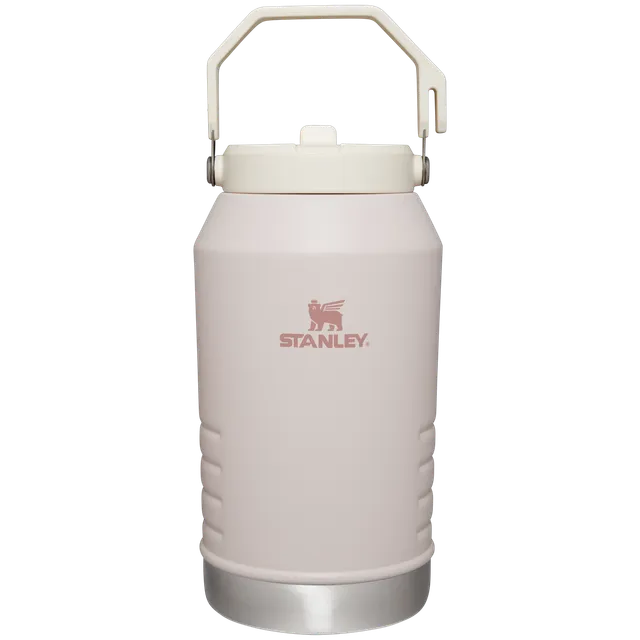
$20.00
We will hold your cart for 15:00.
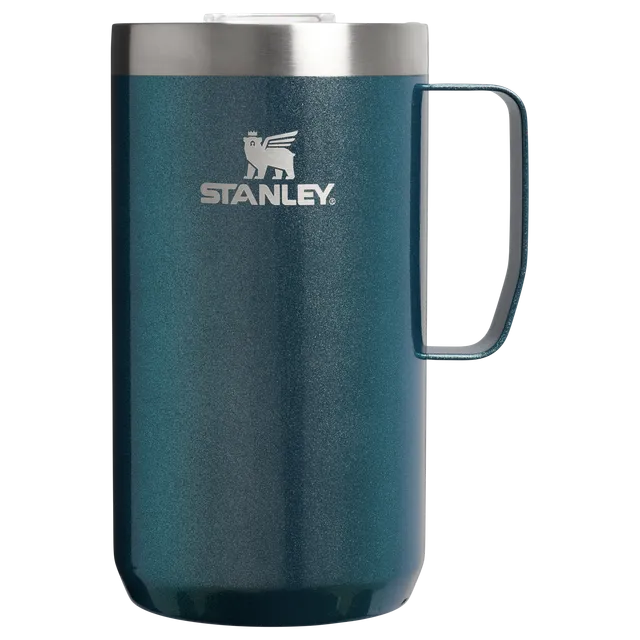
No drinkware brand in history has generated more misinformation than Stanley 1913. The Quencher went from camp-store staple to a TikTok phenomenon carried by celebrities, and with that fame came a tidal wave of myths: lead scares, fake recalls, warranty rumors, and confusion about whether Stanley the cup company has anything to do with Stanley the tool company. Some of these myths are harmless. Others have caused people to throw away perfectly safe, perfectly good tumblers.
Today — August 28, 2026 — we're going through the nine biggest Stanley myths one by one, explaining what's actually true, what's exaggerated, and what you should genuinely pay attention to. By the end, you'll know more about how your insulated tumbler is built than 99% of the people arguing about it online.
This is the big one, so let's be precise. Stanley Quenchers — like virtually all vacuum-insulated stainless steel bottles from every major brand — use a small solder pellet containing lead to seal the vacuum at the base of the bottle. That's the metal dot you can feel on the bottom. It's an industry-wide manufacturing technique, not a Stanley quirk.
Here's what matters: that pellet sits under the outer steel layer and a protective cover. It is not in contact with your drink. Ever. The interior of the tumbler is food-grade 18/8 stainless steel. Independent testing and lab teardowns, including the widely cited tests that sparked the 2023–2024 conversation, consistently found the lead sealed inside the base, not exposed.
The one legitimate caveat: if the base of your tumbler is severely damaged — deeply gouged, peeled open, or the covering cap has come off — stop using it and contact Stanley. Under the Built for Life warranty, a damaged vessel gets replaced. That's the correct, proportionate response: not panic, not trash cans full of $45 tumblers, just common sense about a physically damaged product.
False — and this myth simply won't die. Stanley has never issued a lead-related recall of the Quencher. The confusion comes from a real, but different and much smaller, event: in 2024, Stanley recalled a limited number of Switchback and Trigger Action travel mugs because of a lid defect that could leak hot liquid and cause burns. That recall affected roughly 2.6 million mugs sold in the US — significant, yes, but a lid issue on two specific mug models, not a lead contamination issue, and not the Quencher.
So if someone tells you "Stanleys were recalled," the accurate version is: one specific mug recall in 2024 over burn risk from leaking lids, fully unrelated to lead. Your Quencher was never part of it.
Depends on the model — but the blanket "hand wash only" claim is outdated. Modern Stanley Quencher H2.0 tumblers are top-rack dishwasher safe, and so are most current-generation lids and straws. Older Quenchers and some enamelware and collab pieces do still require hand washing, so check the base stamp or product page before loading it in.
One genuinely useful tip the myth-adjacent crowd gets half-right: harsh detergent cycles over years can eventually degrade silicone seals and gaskets on any brand's lids, Stanley's included. That's not a reason to hand wash everything; it's a reason to know that lids are cheap to replace. Which brings us to the next myth.
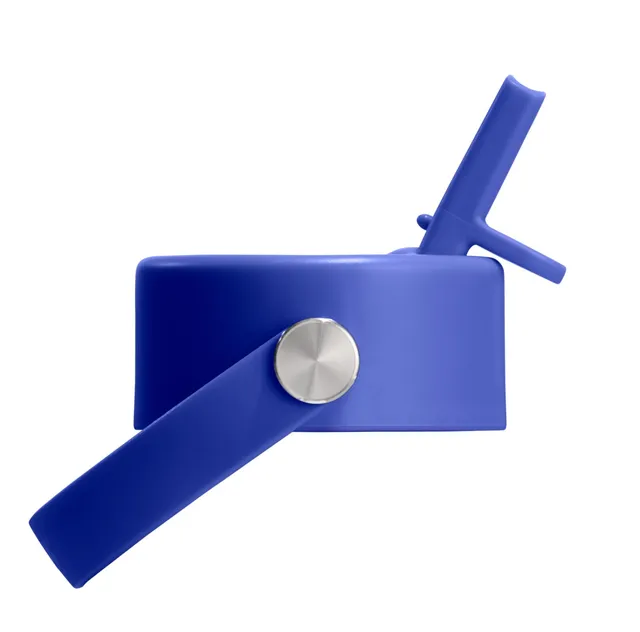
No — and this myth costs people real money. The classic Quencher H2.0 FlowState lid, the ProTour Flip Straw lid, and the IceFlow Flip Straw lids are different systems with different sealing mechanisms. The ProTour lid, for example, is designed for the ProTour tumbler body and does not turn a standard Quencher into a leakproof vessel just because it looks similar. IceFlow Flip Straw and Flip Straw 2.0 lids are likewise not freely interchangeable across all bottle generations.
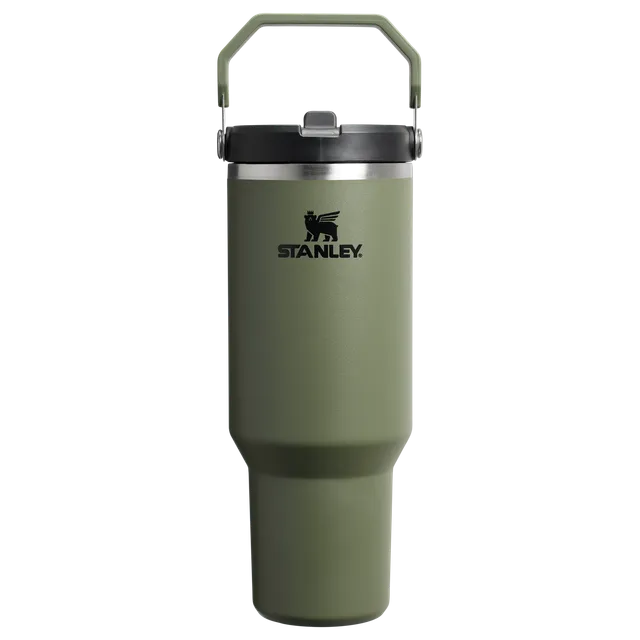
If leakproofing is your priority, buy the tumbler that's leakproof by design rather than trying to frankenstein lids across lines. The ProTour Flip Straw is the leakproof pick in the Quencher family:
One of the most persistent mix-ups in all of retail. Stanley 1913 (the drinkware brand, founded in 1913 by William Stanley Jr.) is owned by Pacific Market International. It has no connection to Stanley Black & Decker, the tool company that grew out of a different Stanley lineage. The shared name and the heritage aesthetic are why the confusion persists, but when you buy a Quencher, your money goes to the drinkware company, not the drill company.
The 40 oz Quencher is iconic for a reason, but it's genuinely the wrong choice for some people. It's tall and wide; while the base is cupholder-sized for most vehicles, shallower cupholders and small cars can struggle, and a full 40 oz of water weighs nearly three pounds. If you're mostly commuting or desk-bound, a 20–30 oz vessel or a straw-cap bottle is more practical. If you're genuinely drinking all day, running errands in a big car, or refilling rarely, the 40 oz earns its keep. And if you're refilling an entire team's bottles, the 96 oz IceFlow Jug is the actually-sane choice — it keeps ice for days and hooks right onto a fence at the field.
The Built for Life warranty is real and genuinely good — Stanley will replace defective or damaged product. But it's a warranty against manufacturing defects and failures under normal use, not an insurance policy. It doesn't cover lost items, deliberate misuse, or normal cosmetic wear like scratches. Lids, straws, and small parts are typically covered when they fail due to defects, and claiming is as simple as going through Stanley's warranty portal with a photo. Set your expectations correctly and the warranty is a genuinely strong perk; expect a free replacement for a cup you left on a car roof and you'll be disappointed.
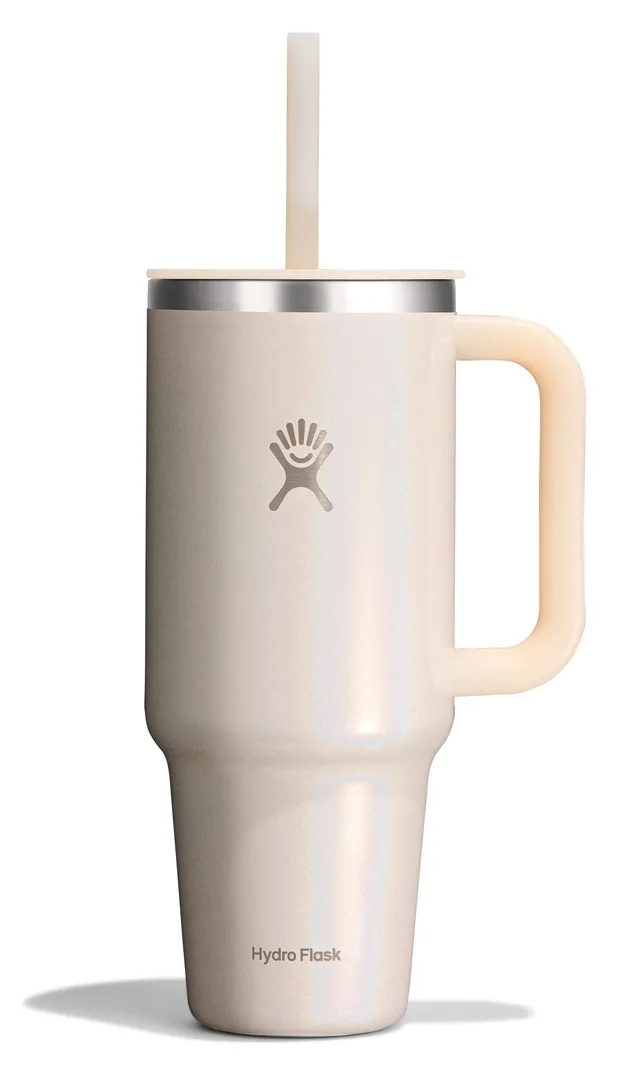
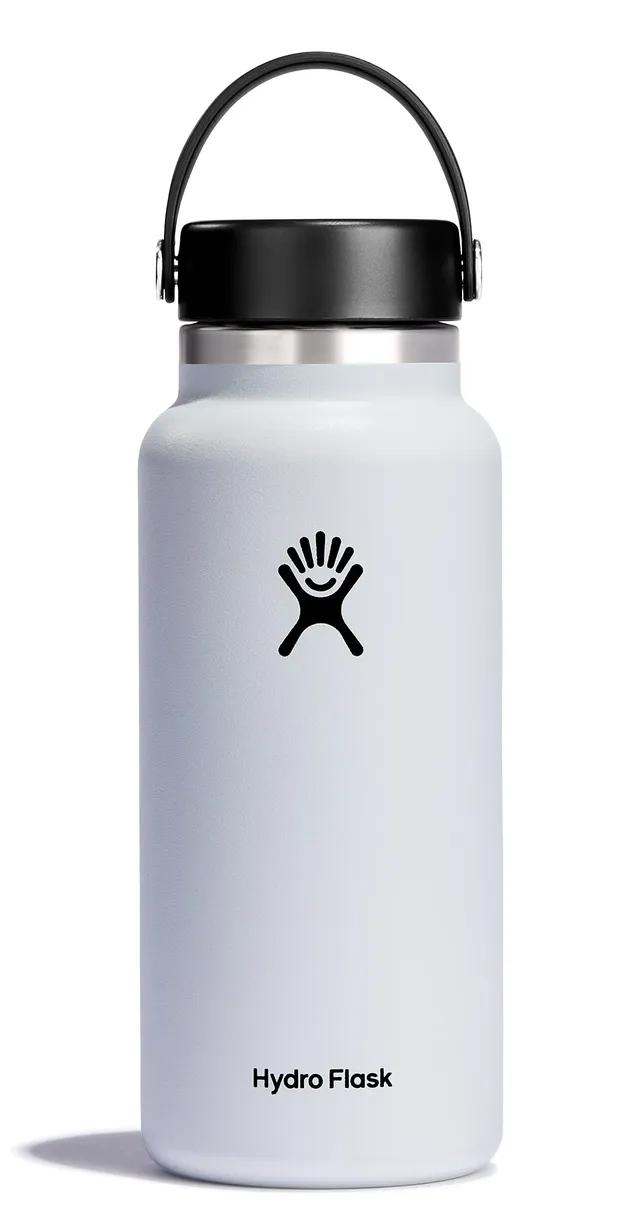
Every serious brand uses double-wall vacuum insulation — that part is true. But the differences show up in the details that decide whether you'll actually use it daily: lid sealing, straw design, cupholder fit, handle comfort, and cleaning. This is where it's fair to pit Stanley against its most credible rival, Hydro Flask. A couple of honest comparisons:
Custom orders through Stanley Create — your name, your colorway, your text on a Quencher, IceFlow, or FlowState bottle — are final sale. That's not Stanley being difficult; no personalized product is realistically resellable. The flip side of the myth: customization doesn't void your warranty, and the lead times (typically a week or two, longer during holiday drops) catch people off guard. If you're gifting a custom piece, order well ahead.
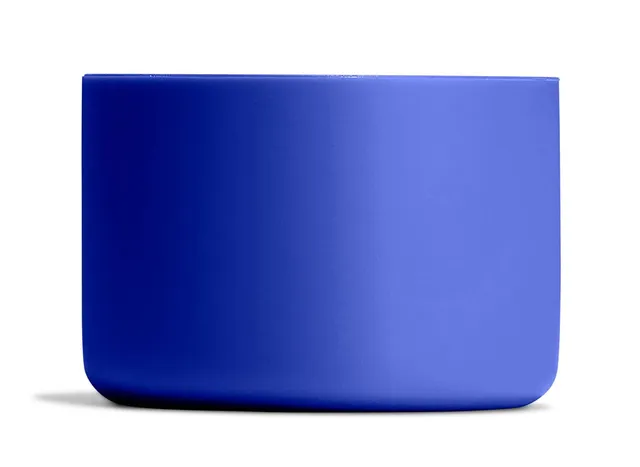
Strip away the viral noise and the picture is simple. A sealed lead pellet under the base is standard vacuum-bottle engineering and poses no exposure risk when the vessel is intact. There was no Quencher recall. Dishwasher rules depend on the model. Lids are not interchangeable. The warranty is good but not infinite. And the real daily maintenance that matters is boring: clean your straw lids, replace worn seals, and put a silicone boot on the bottom if you drop your bottle on concrete as often as most of us do.
Buy the vessel that fits your actual life — a 14 oz desk Quencher, a 40 oz ProTour if you want leakproof, a Hydro Flask if cupholder fit and dishwasher-friendly cleaning rank highest — and then ignore the comment sections. Your water doesn't care about the drama.
Orders over $45.00 ship free. Otherwise, shipping is $8.00.
Hassle-free returns
SSL encrypted checkout
100% genuine products
Shop insulated bottles, tumblers, and travel mugs from Stanley 1913 and Hydro Flask, with clear comparisons across 583 options.
Email: support@quenchhaus.shop
Address: 218 Ridgeline Avenue, Suite 4, Portland, OR 97205, United States